
Cooking Activities That Build Fine Motor Skills in Children
So when I think of children in the kitchen it varies between total chaos! to a child buttering bread with fierce focus, then lining up slices of banana like tiny coins. Pressing the bread together, cutting it in half and showing a proud grin.
The super amazing thing about this simple sandwich is that these actions are working the small muscles in their hands.
And the added bonus is it improves dexterity in the way they hold, pinch, twist, and control.
Fine motor skills in children are the small, precise movements we use every day. In fact majority of us take these muscles for granted, not even thinking about having to engage them.
Think fingers and thumbs working together to do buttons, zip coats, use pencils and cut with scissors. These skills build grip strength, hand control, and coordination.
The more practice our children get the easier daily tasks become, from opening lunch boxes to tying laces.
When our children start at nursery, pre-school, reception or other school type setting they will be required to start becoming more independent.
The stronger those fine motor muscles are it will help with better pencil grip and neater handwriting. Confidence grows when hands can do what the mind imagines and kids feel more independent. Now I am not saying that all children should be able to write when they get into school, mine couldn’t!
In fact I would say it is more crucial that they can get their coat or shoes on independently.
So how can you encourage their fine motor muscles to strengthen? Well cooking is one option.
Cooking is a simple way to build these fine motor skills without it feeling like work.
It is hands-on, multi-sensory, full of purpose and super rich in practice.
Stirring, pouring, scooping, kneading, tearing herbs, twisting lids, using tongs – these are all powerful workouts for our hands. The kitchen offers real textures, real weight and instant feedback, so progress sticks.
You will find that cooking activities with children can fit into busy days. Cooking does not always mean that you need to create something from beginning to end. Start changing your way of thinking around the kitchen and your children.
Get your children taking part in the meal you are preparing that evening. Depending on what stage they are at could they chop or tear some herbs. Could they peel some garlic – there are some gadgets that can make this easier. Can they pick the stems off some strawberries – without having a nibble!
In this post, I will give you some ideas on things you can try. You will see easy swaps to match your child’s stage and simple tools that help.
Expect ideas that build strength, control, and confidence, one small movement at a time. And yes, there will be more proud sandwich moments.
Lets keep things simple!
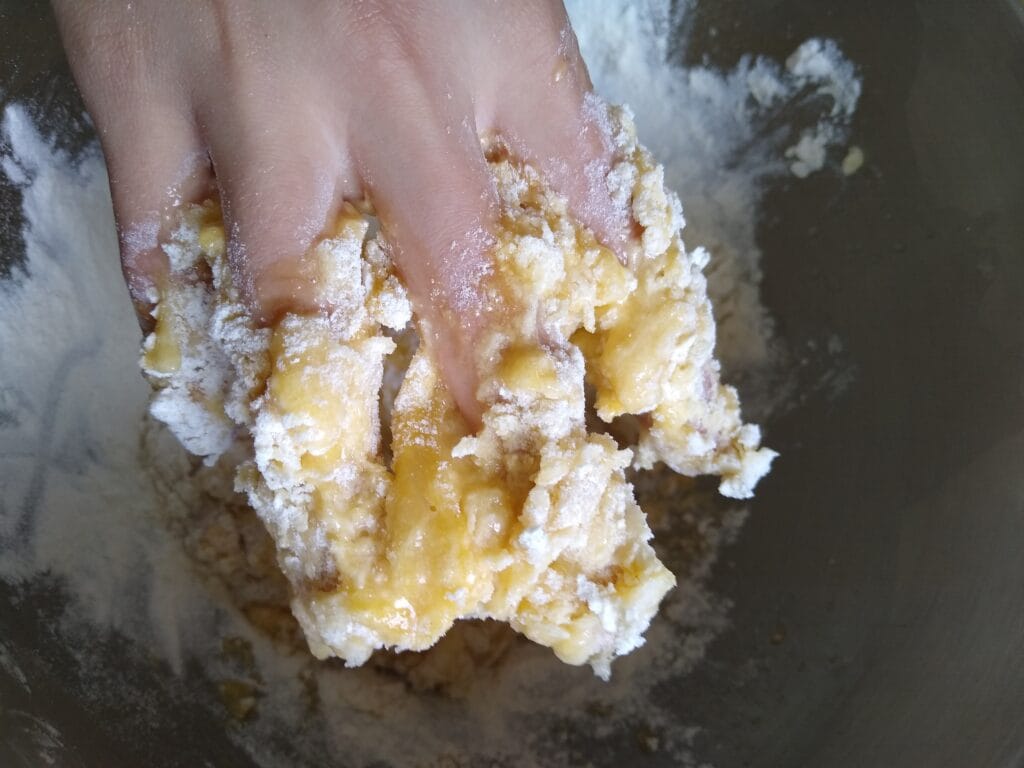
What Fine Motor Skills Mean and Why They Help Children Thrive
Fine motor skills are the small, precise actions of the hands and fingers. Think holding a spoon, turning a page, tying shoelaces and writing your name. These movements rely on grip strength, wrist control and the link between eyes and hands.
When these skills grow well, daily life gets easier. Children manage zips and buttons, use cutlery with less spills and write with better control. You often see calmer posture, longer focus and tidier work. Confidence rises because hands do what the brain plans.
If skills are weak, you may notice a tight pencil grip, messy cutting, or slow dressing. A child may avoid drawing, tire quickly, or feel frustrated.
Not every child will develop these skills quickly and may take a little longer to strengthen the muscles. If this is the case, keep going it will be strengthening even if oonly a little each time your child practices. Frequent practice will slowly build strength and smooth repeatable movements.
Cooking fits this growth naturally. Stirring builds wrist control, pouring trains steady hands and spreading teaches even pressure.
Strengthening fine motor skills through cooking is real and motivating.
Spotting Fine Motor Milestones
Use these simple checkpoints to spot progress, then match kitchen tasks that fit. If skills lag or your child avoids tasks, offer short, fun practice and praise effort.
- Step One – Can pick up small snacks with finger and thumb, stacks blocks, turns pages. Cooking fit: scoop soft foods, drop berries into a bowl, stir with a short spoon.
- Step Two – Holds a crayon with three fingers, snips paper, threads large beads. Cooking fit: pour from a small jug, spread soft butter, tear herbs.
- Step Three – Cuts along a line, copies simple shapes, buttons and unbuttons. Cooking fit: use child scissors on herbs, slice soft fruit with a safe knife, roll dough.
- Step Four – Writes letters with control, ties simple knots, uses a ruler. Cooking fit: measure with teaspoons, crack eggs into a cup, peel a banana cleanly.
- Step Five – Writes faster and neater, ties laces, uses tools with care. Cooking fit: grate with guidance, peel with a swivel peeler, cut firm veg with safe technique.
Signs of good progress include smoother movements, lighter grip, and fewer spills. If tasks look tense or slow, reduce the challenge, show once then let them try again.
Kitchen Tasks That Build Hand Strength and Coordination in Children
The kitchen is full of small, repeatable actions that build hand strength and coordination. Simple tasks like peeling veggies, rolling dough and threading skewers train finger control and precision without feeling like drills.
These are fun activities to improve fine motor skills that work the small muscles in the fingers and thumbs and the wrist muscles that help with turning and lifting.
Start small to avoid frustration. Use soft foods, light tools and short bursts of practice.
Keep a non-slip mat under bowls, offer a stable stool and praise effort.
Over time, you will see smoother movements, lighter grips and fewer spills. Repetition in cooking is the secret, with the same movements coming up again and again, which turns practice into habit and confidence.
Mastering Measuring and Pouring for Steady Hands
Measuring cups, spoons and funnels teach accuracy and create strong calm hands.
Begin with dry ingredients like pasta, then move to water for more control. Use colourful plastic sets as these are light, safe and easy to hold.
A rhyme such as – scoop, level, and pour. – will help keep to a simple rhythm.
To help to try and limit the mess put a tray under the bowls, this will help to catch spills.
Initially you may want to help guide your child’s hand. Or they can use two hands for jug-to-jug pouring, this will help to build stability. Once they are happy with the two hands they can then move to using one hand. Taking there time and doing it when they are ready will build confidence.
If you use smaller spoons this can help to train a neat pinch grip, which helps with pencil control. You can start with a larger spoon and move down.
Have you seen your child spill less over time? That steady improvement shows stronger finger control and better wrist balance.
Measuring also sneaks in early maths. Children see that two halves make a whole and that three teaspoons add up to one tablespoon.
Count scoops aloud, compare sizes and talk about full and empty. These tiny lessons stick because they are tied to a real, tasty result.
Chopping and Stirring to Sharpen Dexterity
Child-safe knives and whisks are perfect for building dexterity. Start with soft foods, think banana, mushrooms or cucumber,and model a slow, steady cut.
Use a plastic kid safe knife with a rounded edge, keep fingers tucked into a simple claw and supervise closely.
Praise effort, not speed. Even slices show hand-eye teamwork, as eyes guide each small move.
Stirring works the wrist through circles and figure-of-eight motions. Whisking eggs or batter adds light resistance, which strengthens the grip and builds endurance. Keep bowls close to the body for control. Ask your child to keep the elbow still and move the wrist, which targets the right muscles.
Progress in layers:
- Start with chopping soft fruit.
- Stir thick yoghurt, then batter.
- Move to firmer veg as control grows.
Link these skills to real tasks. Thread simple veggie skewers for a grill night or roll small dough balls for flatbreads. Short, regular practice beats long sessions and the pride in a neat salad or smooth batter keeps kids coming back.
Recipes to Spark Skill Growth Through Cooking
Small, steady tasks in the kitchen help little hands learn control, strength, and patience. Keep the mood light, make steps short and choose foods that are easy to handle.
The aim is simple practice, not perfection. Think grasp, pinch, twist and place. Those movements add up to better pencil grip, neater cutting and calm controlled hands at the table and at school.
Quick Snacks to try
Keep snacks simple and set out in small bowls. You guide the setup, they do the placing. Focus on hand-to-eye control and gentle pressure with fingers.
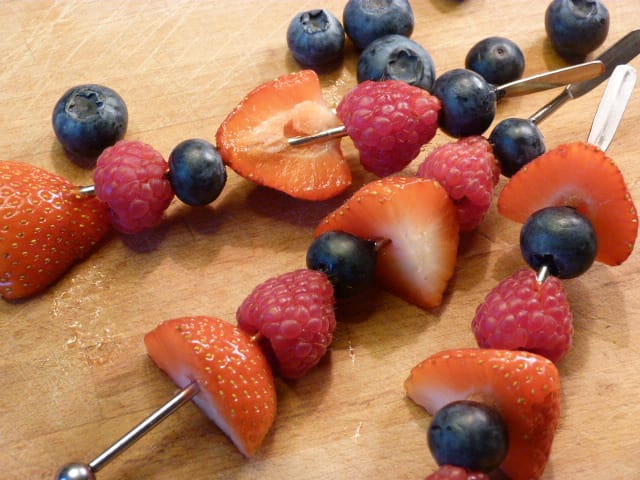
- Fruit skewers, 8 to 10 minutes: use blunt mini sticks or cocktail stirrer sticks. Offer soft chunks like banana, strawberry and melon (pre-cut). Children can grasp, push and slide pieces onto the sticks. This will build hand strength and control.
- Cheese on crackers, 5 minutes: set out wholegrain crackers, soft cheese and cucumber coins. Children spread a thin layer, then place toppings. Spreading trains even pressure, placing builds a neat pincer grip.
- Yoghurt pots with toppings, 5 minutes: give a small spoon, yoghurt and bowls of seeds or chopped fruit, dependent on age. Scooping and sprinkling support wrist control and precise release. Also encouraging the pincer grip when picking up the soft chopped fruit.
- Mini sandwich coins, 7 minutes: press a small cutter into soft bread, then add a thin smear of hummus. Pinching the cutter and lifting shapes train fingertip strength.
Skill gains: pincer grip, bilateral coordination (hold with one hand, place with the other), pressure control, and hand-eye accuracy.
Baking Basics for Children
A simple bake gives lots of practice in one go. Mixing, spooning, shaping and decorating all train different hand movements. Invite children to own a step, then add a creative finish.
- Plain biscuits, 20 minutes prep: children weigh flour and butter, rub to crumbs with fingertips, then press and cut shapes. Rubbing-in builds thumb strength. Cutting works the wrist and a steady push. After baking, add a thin glaze, then place sprinkles with a pinch grip.
- Easy muffins, 15 minutes prep: whisk wet ingredients in one bowl and dry in another, then fold. Scooping batter into cases with two spoons builds hand control. Decorating with a few berries or seeds at the end adds a neat placing task – you can boost creativity by making patterns on the tops.
Encourage teamwork:
- If your child is ready, read the recipe or words in the recipe together. Your child can also help to measure and mix.
- An adult should handle the oven, whilst your child shapes and decorate.
Keep it playful. Offer choices of cutters, toppings or case colours. Celebrate tidy shapes and even spacing, which shows growing control and focus. Pick shapes that link to maths – square, circle.
Simple Family-Friendly Recipes
Here are a few go-to ideas that you can pick to match your child’s skills. They keep hands busy and taste good too. Use clean hands, small tools, and short steps. Add simple chat about colours and textures, which keeps kids engaged.
- Rainbow Fruit and Cheese Picks, 10 minutes
- Steps: cut soft fruit and mild cheddar into small cubes. Sticks pieces onto blunt picks or short straws. Finish with a grape or blueberry.
- Skills: firm grasp, push and slide control, pincer grip when placing.
- Tip: set fruit in colour order to guide pattern making. For more mix-and-match ideas, try this other rainbow recipe How to make a Fruit Salad and Teach the Colours of the Rainbow – Making it Fun and Simple!
- Shake-Bag Veggie Chips, 15 minutes prep
- Steps: slice thin carrot and courgette with a safe tool or pre-slice for them. Children add slices to a zip bag, spoon in oil and a pinch of paprika, then zip and shake. Spread on a tray for baking. An adult must handle the oven.
- Skills: spoon control, pinching to open and zip bags, bilateral coordination, gentle scattering.
- Tip: count spoonfuls aloud to build early number and measuring sense.
- No-Yeast Mini Flatbreads, 20 minutes prep
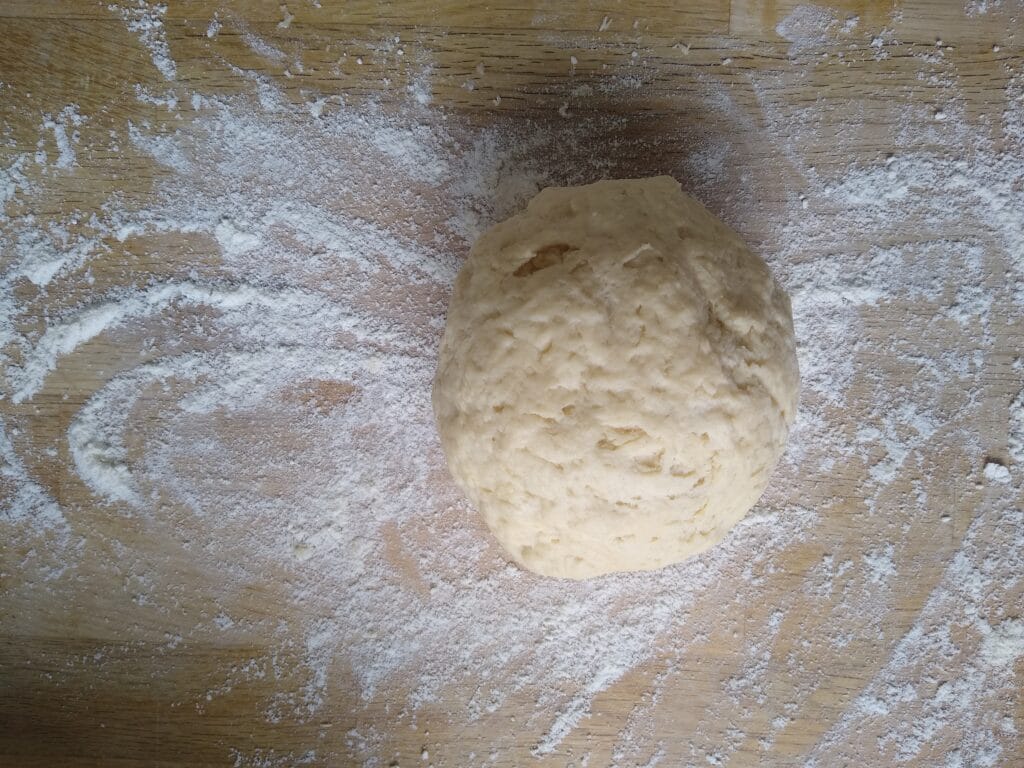
- Steps: mix flour, yoghurt and a pinch of salt. Children knead for one minute, then pinch off golf ball pieces and roll with a small pin. An adult can then cook on a dry pan. Kids brush with a touch of oil and sprinkle herbs.
- Skills: pressure control, rolling, pinching dough, brush strokes for even spread.
- Tip: draw a light circle on baking paper as a size guide for rolling.
- Build-Your-Own Salad Cups, 15 minutes prep
- Steps: lay out chopped lettuce, cherry tomatoes, cucumber, chickpeas, grated carrot, sweetcorn and small cheese cubes. Children use tongs to fill cups, then drizzle a simple yoghurt-lemon dressing from a small jug.
- Skills: tong control, pouring with a steady wrist, neat placing, planning a balanced bowl.
- Tip: challenge children to add five colours and three textures.
Healthy eating happens quietly here. Children can taste what they make, try new textures and learn portions by sight and feel. Cooking together also builds calm family time. You chat, they focus, and everyone eats with pride. If mess ramps up, keep a tray under the action and hand out small cloths so little helpers learn to wipe as they go.
Keep It Safe and Fun: Essential Tips for Cooking with Children
Safety sets the tone for calm, confident cooking. Keep a child-friendly zone at counter height, use a sturdy stool with a non-slip base and clear sharp or hot items from reach. Choose blunt, child-safe tools that fit small hands. Soft-touch handles reduce strain and support control.
Try this quick setup checklist:
- Clear space, place a damp cloth under bowls for grip.
- Pre-measure hot liquids away from kids.
- Check allergies before you start, label bowls if needed.
- Teach “hot, sharp, ask” rules and model them.
- Make cleanup part of the job, wipe, wash, and dry.
Safety builds trust. When children feel safe, they try more, focus longer, and enjoy the process.
Pick Tools That Fit Little Hands
Small, light tools help children control their grip and movement. Choose a dinner knife or child safe knife for soft foods and short whisks and spatulas. Look for bowls with rubber bases and measuring jugs with clear, bold marks. Tongs with soft jaws protect little fingers and keep food steady without squeezing too hard. Avoid oversized handles that strain the wrist.
A good rule, tool weight should feel easy to hold for 10 to 15 seconds without wobble.
Guide Steps
Match tasks to what you feel your child can acheive and keep rules short and consistent. Use these quick guides.
- Step One: watch and sprinkle, wash fruit, tear herbs.
- Step Two: pour with a small jug, spread soft foods, slice soft fruit with a safe knife.
- Step Three: whisk, measure, crack eggs into a cup, tidy surfaces.
- Step Four: grate with help, peel with a swivel peeler, use tongs near heat with you beside them.
Keep it light. Fun beats perfection. Praise steady hands, safe choices and a quick clean as much as neat slices. Boundaries give freedom to enjoy the work.
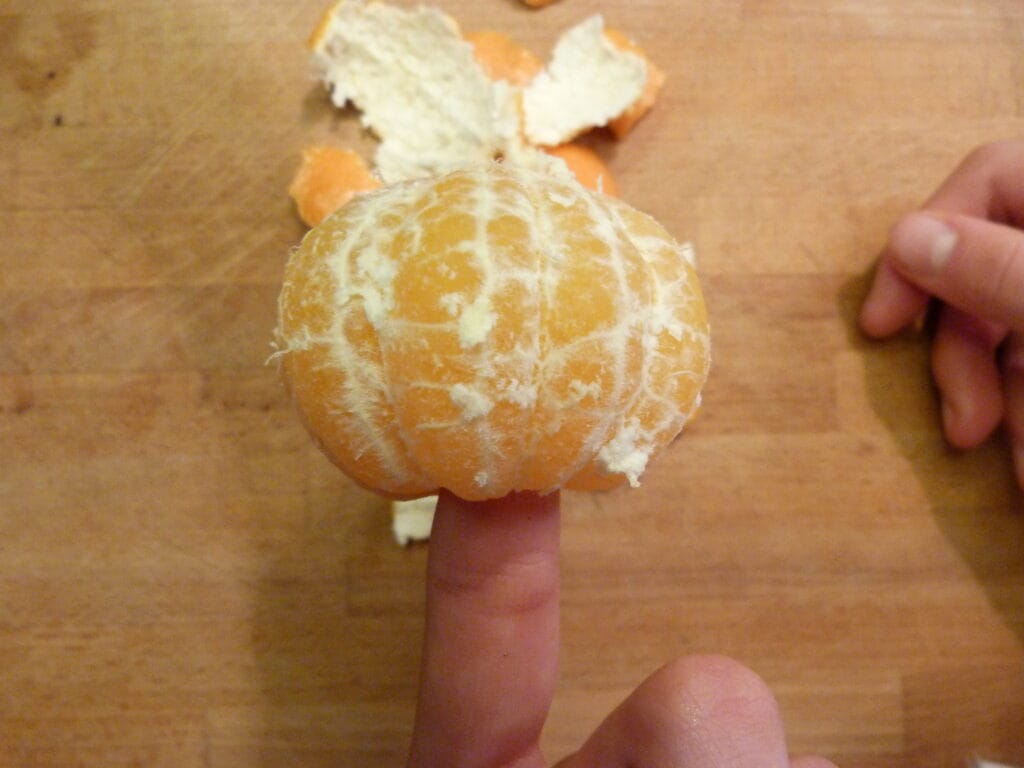
Lasting benefits you will notice
The gains reach beyond the kitchen. Keep sessions short, simple and regular and watch the change.
- Patience and focus: Waiting for a whisk to foam or a pancake to flip builds self-control.
- Teamwork and turn-taking: One measures, one stirs, one plates. Jobs feel fair and clear.
- Confidence and independence: Children see results fast. That visible success feeds brave hands.
- School spillover: Better pincer grip and wrist control support neater writing and careful colouring. See a clear overview of how cooking tasks help fine motor skills on BBC Bitesize.
- Sensory comfort: Touching flour, dough and fruit lowers touch worries over time.
- Planning and maths: Counting scoops and halves to wholes builds quiet number sense. For a parent-friendly take on benefits, this summary of cooking with toddlers and children is a helpful read.
Keep it steady. Ideally two or three small tasks a week, but we know as busy parents it isn’t easy. So pick simple things that they can try that you can be done to help you with the cooking.
Choose simple wins like pouring, spreading and rolling. With consistent practice, you get capable children who trust their hands, stay calm under pressure and enjoy helping. That confidence shows up in class, at home and so much more.
Conclusion
Cooking gives children daily chances to build fine motor skills with purpose. Small, real tasks do the work, from pouring and measuring to spreading, whisking and safe chopping. These movements grow grip strength, wrist control and hand-eye coordination, then spill into school tasks like writing, cutting and using tools with care. Add clear rules, right-sized kit and short bursts of practice and progress feels natural. Pride grows too, seen in a steady pour, a neat slice and calmer hands.
Pick one activity this week, keep it simple and make it theirs. Try a two-jug water pour before dinner, a yoghurt pot with toppings, or soft fruit slicing with a child-safe knife. Praise steady hands, light pressure and tidy finishes. Small sessions add up and those quiet wins stick.
The best part is what you build together. You get focused time, food you enjoy and a string of proud sandwich moments that anchor real growth. Share what you try in the comments, what worked, what wobbled and the skill you want to grow next.
Thank you for reading and here is to strong hands, happy helpers and memories that last.