How to make a Fruit Salad and Teach the Colours of the Rainbow – Making it Fun and Simple!
Bright, tasty and easy to set up, here I show you how you can make a rainbow fruit salad with your children and bonus you can teach the colours of the rainbow at the same time!
What I love about this is that it is quick to prepare, won’t break the bank and the steps are not complicated. Perfect for a quick after school activity.
Some children take a little longer to learn the colour names. Getting muddled between blue and green, orange and red. This is fine and is what keeps us on our toes. I want you to have fun with the colours, show them to your child in a different way. In a fun and relaxed environment it will help your child explore and learn the colours.
Why make it complicated when it can be simple. Together you can choose the fruits, sort the fruits and prepare something scrumptious together.
Extra bonus is that it is a healthy snack for children that looks great and may even get them to try if they are unsure.
You can start with fruits that you know your child likes and then slowly add something different. A slice of mango, some kiwi or a few blueberries can change the mix and even spark a chat about shades (if they are ready for this).
Ready to set out the bowls, call out red, orange, yellow, green, blue and purple.
Have fun while they learn? Let’s get learning!
The Magic of How a Rainbow Fruit Salad Can Teach Colours
What I love about food is that it is a low pressure way to encourage exploration and learning. Food is a powerful teaching tool and so many children learn best with their senses. In fact the more senses we can trigger at the time of learning the better the outcome will be.
When we teach the colours of the rainbow through food it can be magical. A rainbow fruit salad turns ‘colour words’ into something they can hear, see, touch, smell and taste. Meaning that the five senses can be triggered through this activity.
Another benefit of this recipe is that by including as many of the senses that we can it helps us stay focused.
This activity will create chit chat, deciding on which colour a fruit is…..because is that grape red, black or purple? Mmmm which is it, what do you think?
The simplicity of the recipe means that you can really focus on talking, tasting, touching the fruit and have a good time deciding on the colours and the order they should be in to show a rainbow.
For more early years inspiration, see how a nursery uses fruit salad to engage children in food prep and language at Lilycroft Nursery School.
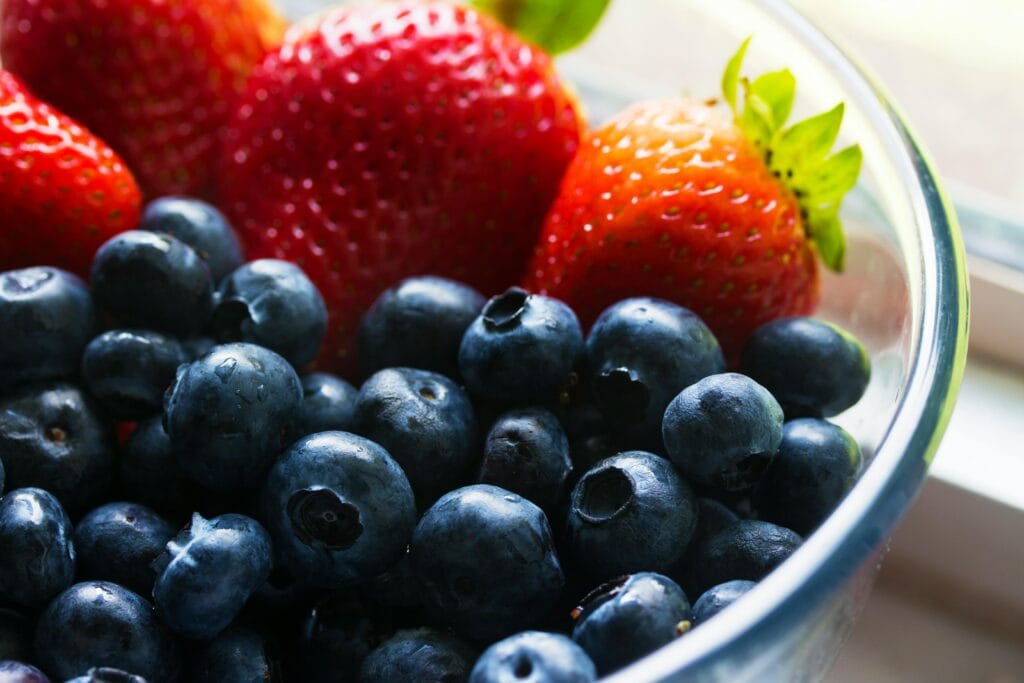
The other benefit is that it supports healthy habits linked to the idea of eating a range of colours, as promoted in resources like Nutrition Australia’s Eat a rainbow.
So what can children learn from this activity?
A rainbow fruit salad blends colour learning with simple skills.
Starting with learning the different colour names, sorting colours, looking at patterns, counting to ten or higher if they are ready. You can move to learning colour shades and reading of the recipe. Look at the recipe and go on a phonics hunt – Can you see the grapheme ‘t’?
Key outcomes:
- Naming colours: say red, orange, yellow, green, blue, purple with confidence.
- Sorting by colour: place fruit into matching coloured bowls.
- Simple counting: count the fruit, increasing the number over time.
- Trying new foods: gentle tasting without the pressure. They can try if they fancy.
- Following steps: wash, chop, mix – a win for learning colours at home.
Sensory learning makes colours stick
Using our senses brings learning to another level.
The sense of sight helps children spot shades when they line up strawberries and blueberries in a bright bowl.
Touch locks in ideas when small hands feel the smooth skin of grapes or the fuzzy peel of a peach.
Smell adds a cue, like the sharp scent of orange peel that screams orange.
Taste seals the deal, such as the tart bite of kiwi for green.
These fast, rich links keep children engaged and make colour words last.
Safety first
As appropriate – Use safe cutting, like a child-safe knife on a non-slip board, with an adult handling any firm fruit. Sit while eating to reduce choking risk. Keep pieces small, especially grapes and blueberries, which should be halved or quartered. Supervise all cutting.
Pick Fruits for Every Colour of the Rainbow
This recipe is so colourful and creates an opportunity to have a chat around colour.
You can build your bowl by season to keep costs down and flavours high. Pick what is fresh in the shops. You can always then add a freezer or tinned backup so you never miss a shade.
For quick planning, check this simple guide to seasonal fruit UK.
If allergies are a concern, offer swaps from the same colour.
Red fruit ideas
To start with I would go with fruits they have already tried. This takes away the worry for your child of trying something they don’t like the taste of. If they generally do not like any fruits then make it clear to your child that they do not have to try the fruit, that is up to them, if they wish to explore further. Go with bright and familiar.
Strawberries bring a sweet, soft bite and slice easily.
Raspberries are tangy and already bite-size.
Watermelon is juicy and easy to cube, it is also very soft and easy for a child to cut through (an adult would need to slice it first)
Red apples add crunch and last well in lunchboxes, just dip slices in lemon water to prevent browning.
Pomegranate arils sparkle and give a fun pop, your child can practice coordination when they spoon them on top.
Budget swap, use frozen strawberries, thaw slightly and pat dry.
Orange and yellow choices for bright bowls
Oranges and clementines taste sweet-sharp and offer super fine motor practice when peeling them.
Peaches or nectarines are soft and juicy.
Pineapple gives a big bite and a tropical scent, buy prepped rings if short on time.
Banana adds creaminess and makes the mix feel like pudding. To avoid mushy textures, prep just before serving and add banana at the end.
If fresh is costly, reach for tinned peaches or pineapple in juice, not syrup.
Green fruit that wins over picky eaters
Kiwi is zesty and soft, peel it for a smoother feel.
Green grapes are crisp and sweet, halve them for safety and easy counting.
Pears add gentle sweetness and suit children who prefer soft fruit.
Green apples bring crunch and a tart kick that balances banana.
Honeydew melon is mild, juicy, and easy to cube.
These green fruit ideas give a mix of textures, so every child can find a favourite.
If seeds or skins worry your crowd, peel and remove any tough bits.
Blue and purple options
Blueberries are a tidy win, sweet and firm when in season.
Blackberries taste rich, but they can stain, so serve small portions.
Seedless purple grapes give a crisp bite, halve them for safety.
Plums add a tangy edge, slice wedges and remove the stone.
For stain control, keep dressings light, use a pale yoghurt or citrus spritz and wipe hands early.
This mix covers blue and purple fruit without turning the tablecloth into modern art.
What to do when a colour is missing
Keep backups on hand so the rainbow is never broken. Frozen fruit is budget friendly and tasty, thaw on kitchen roll to reduce water.
Tinned fruit in juice, not syrup, works well for peaches, pineapple, or pears.
Dried cranberries or raisins add red or purple in small amounts – a sprinkle is enoough.
Store extras in the fridge and use within two days, or freeze leftover chopped fruit for smoothies.
Easy Fruit Salad Recipe Kids Can Help Make
Keep this rainbow bowl simple, safe, and quick. Every step invites little helpers to join in with confidence.
Ingredients and tools checklist
For a bright bowl that covers every colour, pick 5 to 7 fruits your child already enjoys, then add one new taste to try.
- Fruits: strawberries or red apple, clementine or mango, banana or pineapple, kiwi or green grapes, blueberries or plums.
- Optional extras: a few mint leaves, 3 tbsp plain yoghurt, 1 tsp runny honey, 1 tbsp lime or orange juice.
- Tools: child-safe knife, small chopping board (with a grip mat if needed), medium mixing bowl, colander, 2 to 3 spoons and a few sealable tubs for storage.
Tip: aim for 500 to 600 g fruit total for 4 to 6 servings.
Child friendly prep steps
Set up the tasks in short bursts so everyone gets a turn.
- Wash hands, rinse fruit in a colander and pat dry.
- Peel where needed. Adults handle tougher jobs like mango and pineapple.
- Safe cutting, sit down and use a child-safe knife. Cut grapes lengthways and halve or quarter (maths opportunity!). Slice banana into 1 cm coins and quarter. Chop apple and mango into cubes. Halve large strawberries.
- Colour sort – place reds, oranges, yellows, greens, blues and purples into bowls.
- Gentle mixing – add fruit to a large bowl and fold with a spoon.
Assign by ability, not age. Beginners wash and sort. Confident helpers stir, chop or count pieces.
Add on – Light dressing options children will enjoy
Keep it bright and not too sweet. Mix one small jug and drizzle lightly just before serving.
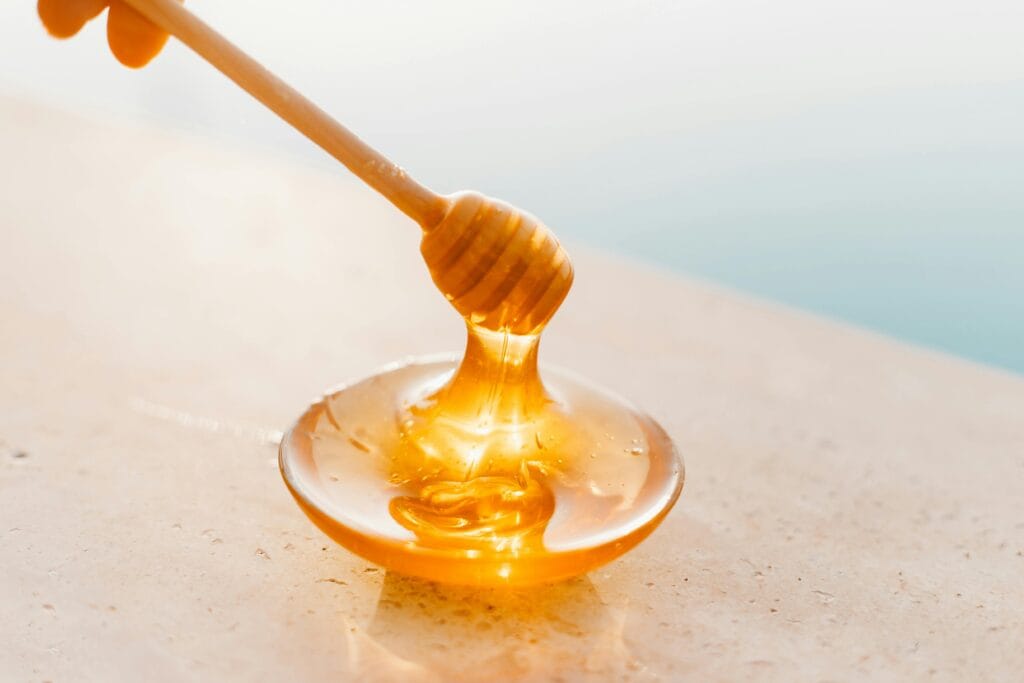
- Honey lime dressing: 1 tbsp lime juice, 2 tsp runny honey, a pinch of cinnamon. Whisk, taste, and add a splash of water if the flavour is strong.
- Yoghurt dressing: 3 tbsp plain yoghurt, 1 tbsp orange juice, 1 tsp finely chopped mint. This gives a creamy finish without heavy sugar.
- No-added-sugar choice: squeeze 2 tbsp fresh orange or pineapple juice over the bowl and toss. The fruit carries the sweetness on its own.
Make-ahead, storage, and lunchbox tips
If you are wanting to store or put in a lunchbox – Prevent browning by tossing the apple or banana in 1 tsp lemon or orange juice before mixing.
Store fruit salad in the fridge in sealed tubs for up to 2 days.
Keep banana and soft berries for the day you serve if you can. For lunchboxes, pack in a leakproof tub with a small cold pack. Add a piece of kitchen roll on top to catch extra juice.
Keep dressing in a separate mini pot and add at the table or just before eating.
Teach Colours With Fun Games While You Cook
This recipe just shouts – teach me colours! Turn your fruit prep into a mini colour lesson that sticks. Keep bowls on the table, invite little hands to sort, count and sing – and you will teach colours at home without extra fuss.
For more ideas on learning our colours, see these family-friendly tips from BBC Bitesize. Keep tasks short, playful, and safe.
Let non-tasters join as sorters and photographers so everyone takes part. They try the fruit if they like, but no pressure.
Colour sorting, matching, and naming
Set out six bowls or trays, one for each colour.
Say the colour name and drop in a starter piece, then invite children to build the set. Use simple rules to make a quick colour sorting game:
- Hearing and sight – Red strawberry, in it goes, say red.
- Touch – Explore the feel of the fruit – Smooth grape, furry kiwi, bumpy raspberry.
- Quick challenge – Find three yellow pieces, go.
Mix it up with a timer or a song for each colour.
Non-tasters can use tongs to move fruit, no pressure to eat.
Counting, patterns and simple fractions
Creating simple patterns is a really important part of maths. Start by using two fruits and repeating a pattern on the board – like red, yellow, red, yellow and repeat. When you are putting the fruit into your bowl, say the words – red, yellow, red, yellow.
Then ask the children to copy the line into their bowl. If they can saying the colour names as they do it.
You can add onto this when ready, counting the pieces into the bowl and then compare.
Who has more reds, who has fewer blues? Swap roles so your child then goes first to create a pattern. Build this up as your child is ready.
Fractions you can explore by cutting an apple, show a half, then a quarter. Then line up four quarters to make a whole again.
You can build on this when they are ready to write 1 whole, 1 half, 1 quarter on paper labels. Or trace over your writing if to start.
You can match pieces of fruit by size and say big or small, larger or smaller.
Story, song and rhyme ideas
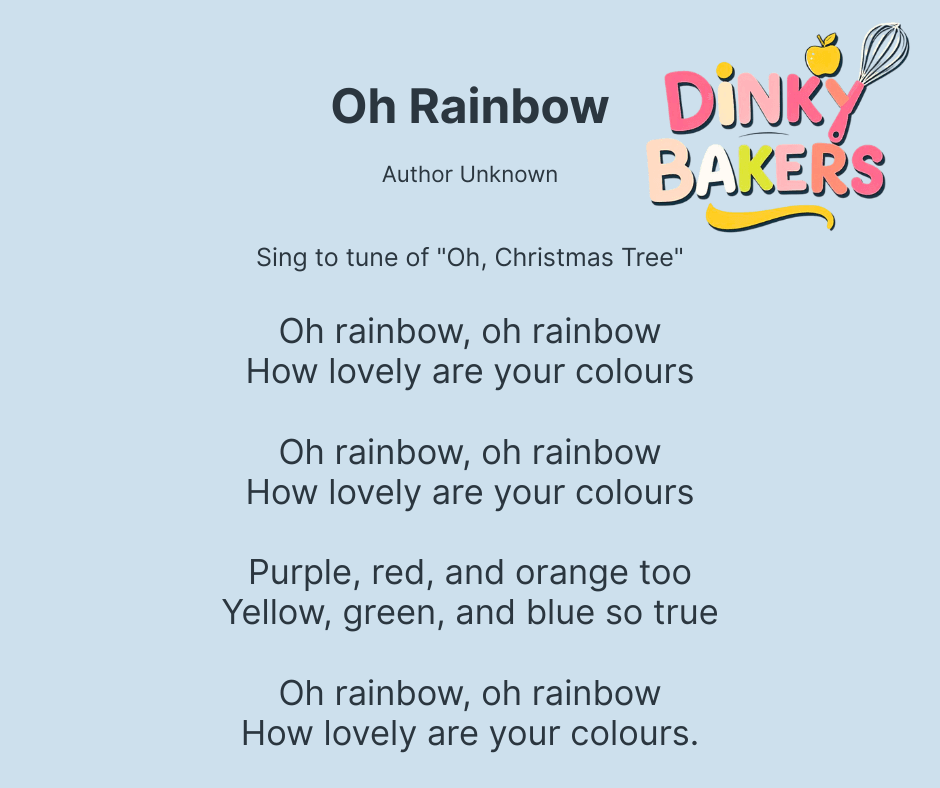
Use a quick chant to lock in colour words for kids: Red is sweet, yellow is sunny, green is zippy, blue is funny, purple pops, we stir the pot.
Clap the beat and change voices to keep it lively. Try a short story while you mix. The Rainbow Picnic is waiting, but the colours must line up to open the gate. Children name each colour to move the story on.
Rainbow plate art and photo prompts
Give each child a plate and ask them to lay fruit in rainbow order. Curves, stripes, or a spiral, all count as art. Snap a photo, then use it as a prompt. Which colours can you see, point and name from left to right.
Conclusion
Make sure you have fun, don’t worry if it all goes wrong or if they just learn one colour. This is a win, it is all a win. Because you have spent some glorious time with your child, teaching the colours. Keep going and building on what they learn and at their pace. Don’t feel like you have to rush them to know all their colours. They are amazing individuals not robots.
All the best
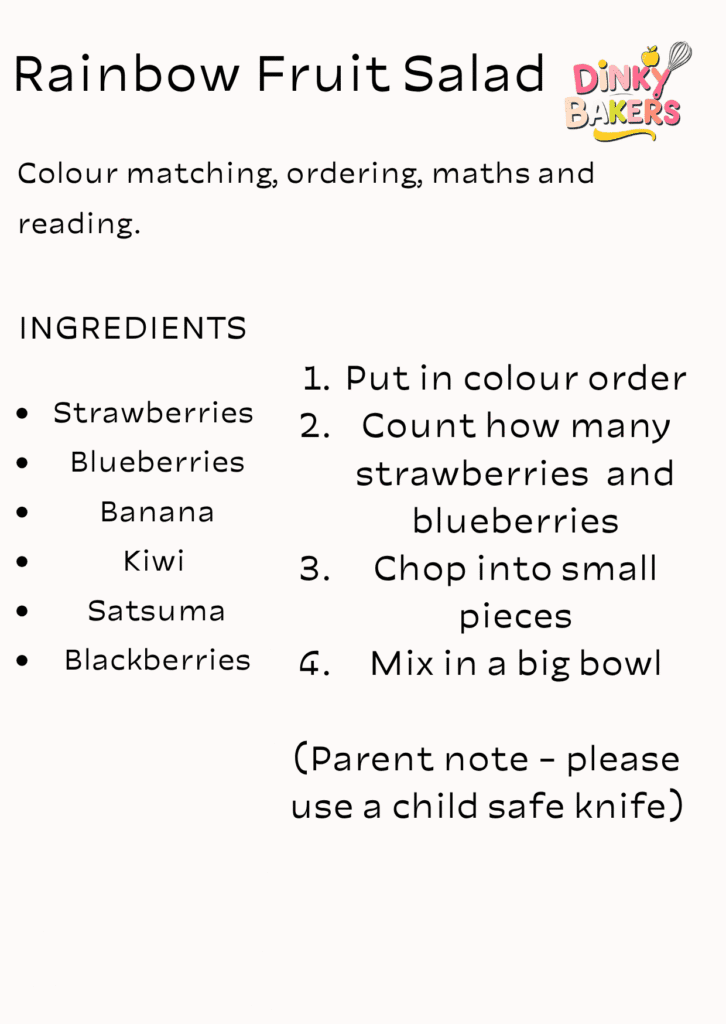
Simple Recipe Card