
Simple Sense of Taste: Exploring With Our Children in the Kitchen
This post may contain affiliate links and we may get paid a small commission if you click on a link. Please read our disclaimer.
Subject: Exploring the Sense of Taste
When you start to look at exploring our sense of taste in the kitchen with children, it opens so many possibilities.
Providing a safe environment for our children to try a small amount of an ingredient or to just be able to look at it and examine it. When we can keep the pressure to try super low, our children will often try tasting things.
Below are ways we can make trying foods a fun way to explore our sense of taste in the kitchen.
Simple to set up and a lot to offer – these activities will give you a lot to think about with your sense of taste.
Why Exploring Taste Helps Children’s Development
Gently exploring the taste of new foods, can be very rewarding. Try to keep it low pressure. Explore the food and if they want to try they can do.
Letting our children explore the taste of new foods without pressure creates children that are more willing to try new foods.
Showing different foods and ingredients, and repeat exposure can make a real difference.
Research on picky eating backs this up, showing that regular, playful exposure without pressure can increase acceptance of new foods. See the post on picky eating and food play for a helpful summary of this approach: Food Play: To help picky eaters try new foods.
Offering new ingredients in a low pressure way can make a real impact on our children. Making them more willing to trying different foods.
Ideas On How To Start
Here are practical ways to set the stage for long‑term nutrition wins:
- Start with familiar foods, then change one thing. A different cut, spice, or cooking method keeps it safe.
- Offer a tiny bite, often. Ten or more friendly exposures can do the trick for some foods.
- Pair a new food with a “safe” food. This lowers stress and keeps the plate inviting.
- Use calm language. Try “you can taste if you like, the choice is yours” instead of “you must try this.”
- Keep the wins visible. A sticker on a chart or a simple “you noticed the lemon was sour” builds pride.
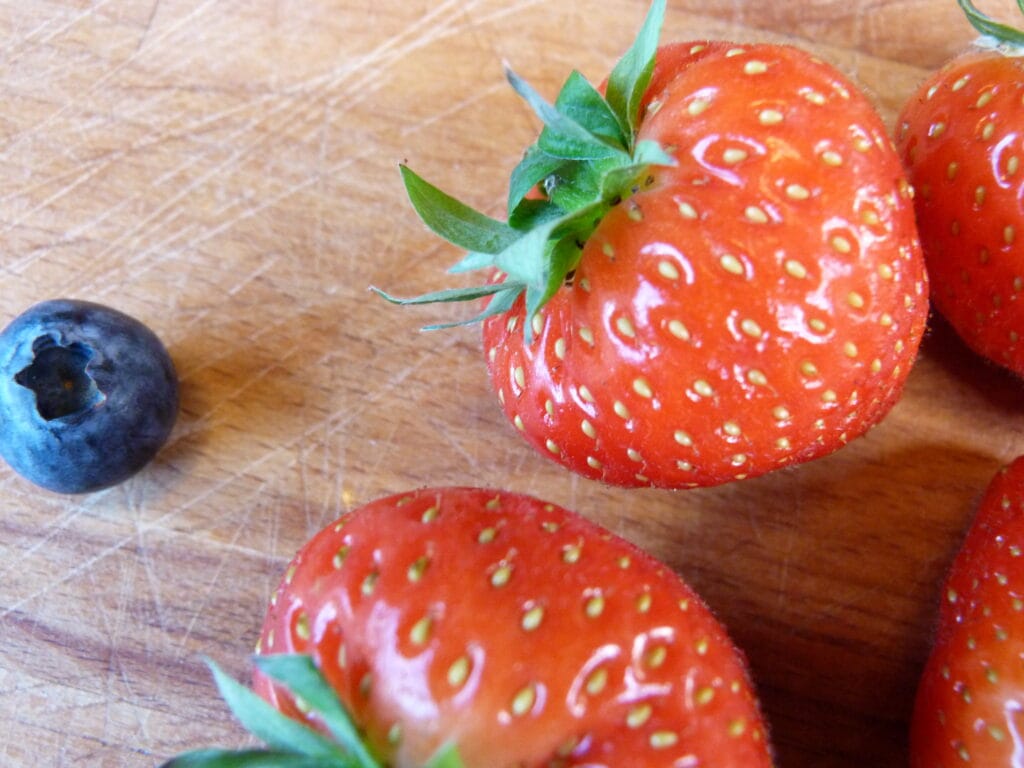
Sense of Taste: The Learning in the Kitchen
| Skill Category | What Are Learning? |
| Vocabulary | Exposing them to words like sweet, sour, tangy, bitter, mellow, and umami (savoury). |
| Curiosity | A tiny question, “What changed when we added salt?” sparks real interest. |
| Sensory experience | Ask, “Will lemon make the water taste sour?” Then taste and compare. |
Sense of Taste: Activity Ideas
Label The Plate
- Get some paper plates
- Write words like sweet, salty, sour, bitter and umami
- Put out small portions of different foods
- Get your child to match the food to the words. This could bring up some discussion as you may not agree! This is about exploring together.
Create a Flavour Journal Around Sense of Taste
- Get a notebook and some colouring pencils
- Together draw the food and label with a describing word
- Start with single words and build on this as you go
- Use describing words like bitter, tasty, strong and mild.
Creating a Taste Testing Station
- Place two tiny samples of the same food, raw and cooked (carrot coin and steamed carrot).
- Invite a lick, touch, or nibble. No pressure.
- Ask one quick question, “Which one feels softer?”
- Praise the noticing, not the liking.
Sample mini tasting plan using these staples
- Sweet: Apple slice.
- Sour: Lemon water sip.
- Salty: Grated cheddar pinch.
- Bitter: Tiny square of dark chocolate.
- Umami: Parmesan shaving.
Conversation Starters: For Around The Table
Use these questions to keep the learning going while you eat:
- What flavours do you taste? – Sweet / Salty / Sour / Bitter / Umami (savoury)
- Is the food crunchy or soft?
- What if we used salt instead of sugar?
- Is there an ingredient that stands out and you can taste more than the others?
Conclusion
Pick one activity this week and give it ten calm minutes.
Set out five tastes and compare together. No pressure to taste – lets explore and see if the tasting comes on its own.
Confidence will grow and you will be smiling……well I hope so.
More resources to help you build confidence in the kitchen for you and your child.
- How to make a Fruit Salad and Teach the Colours of the Rainbow – Making it Fun and Simple!
- Cooking with Your Child: 10 Reasons to Start Today (Simple Tips)