
Why Do Cakes Rise? A Parent’s Guide to the Magic in the Oven
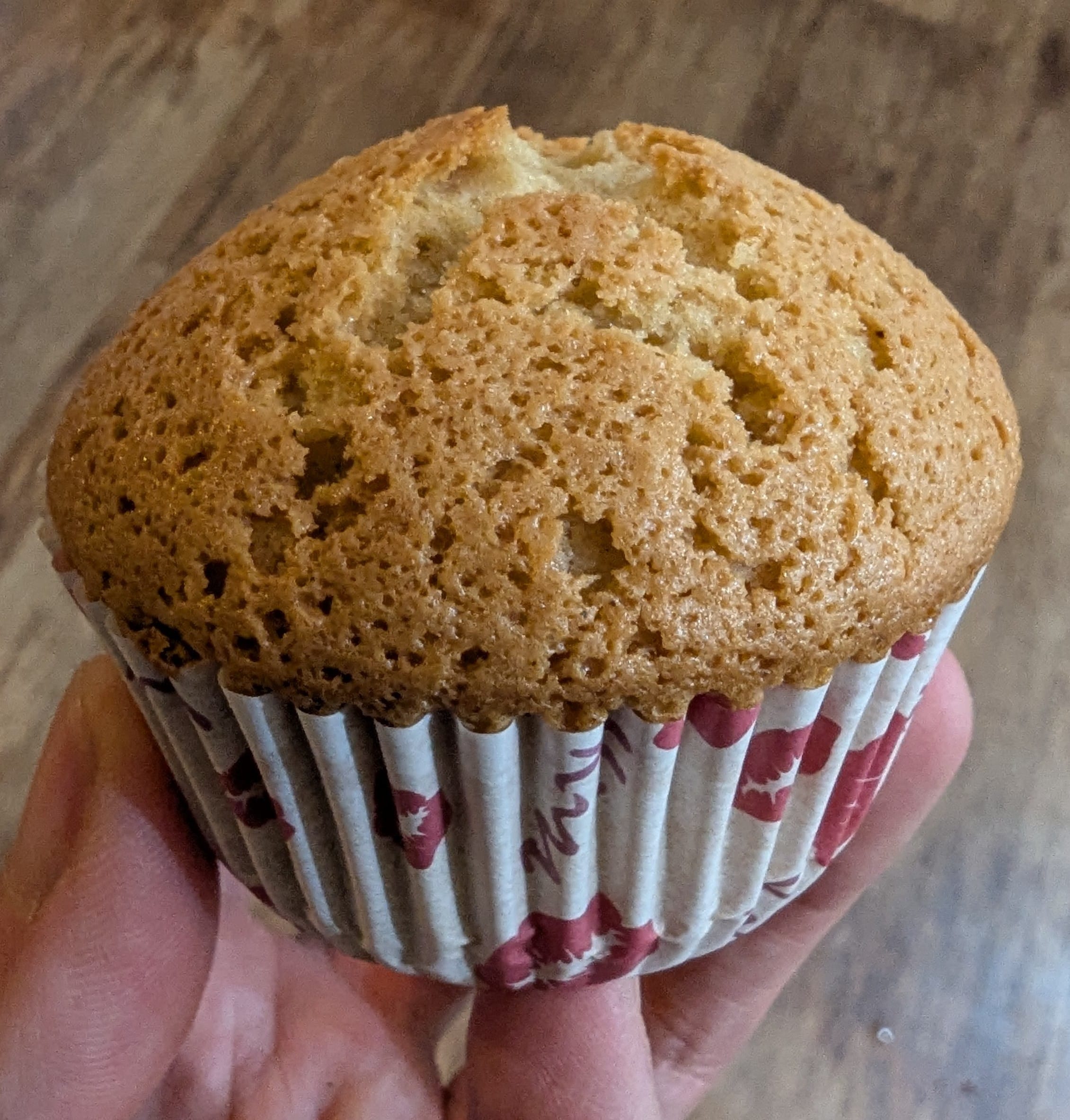
You’re standing in the kitchen with your child, peering through the oven door. The cake went in as a sloppy mixture in a tin. Now it’s lifting, slowly, almost magically, from half-tin to full-tin and beyond. There are little cracks forming on the top. The smell has changed, there wasn’t much of one when it went in, but now the kitchen smells of something genuinely yummy.
And then it comes: “Mum, we put it in like that, and now look at it. How does that happen?”
This post is for the parent who wants to handle that question well, without needing a chemistry degree, without making something up, and without skirting round it. By the end you’ll have the words to use, three small ways to turn the moment into real learning, and a clear understanding of what’s actually happening in there.
And honestly? The science is much simpler than you’d think.
The question every child eventually asks
Cakes can be tricky beasts. When I first started baking, mine didn’t generally rise, if I’m honest. And when you’re cooking with children, there’s a lot to take in – measuring, timing, mixing, oven temperatures.
So when a child looks through the oven door and asks “why is it getting taller?” or “why has it gone up in the middle and stayed low at the edges?” or even “why has it come out like a biscuit?” — it’s tempting to brush past it.
Please don’t. Those questions are gold.
The best way for some children to learn is by actually doingand a kitchen is one of the few places this happens naturally. Every cake you bake together is an experiment with an edible conclusion. You don’t need to be a scientist to support this kind of learning. You just need to take the question seriously when it comes.
And if you don’t know the answer? “That’s a brilliant question, let’s find out together” is one of the most powerful things you can say. More on that in a moment.
The wonder moment — watching it happen
Here’s a small thing that makes a big difference. Once your cake is in the oven, most of us think right, I’ve got a few minutes now to tidy up. The timer is set. The heavy lifting is done.
Try this instead: pull up two chairs by the oven. Not too close, you don’t want anyone getting too close to the heat, but close enough that you can both see in. Just for a couple of minutes. Watch it together.
This is observational learning, and it’s powerful. You don’t need to be a scientist for this part. You’re using your senses:
- What can you see? The mixture lifting. The colour changing. The cracks forming on top.
- What can you smell? When the cake went in, there wasn’t much smell. Now? It smells gorgeous.
- What can you hear? Sometimes a faint bubbling. Often just the quiet of the oven doing its work.
Conversation prompts to use in this moment:
- “What do you think is happening in there?”
- “What does it look like compared to when it went in?”
- “What do you think it’ll smell like when it’s done?”
- “How different do you think it’ll look in five more minutes?”
This kind of slow, focused noticing is genuinely good for children. It builds attention, patience, and the habit of observing carefully. None of that requires you to know the chemistry. You’re just sitting and watching together and that on its own is a brilliant thing.
So why do cakes rise?
Right, here’s the bit you can keep in your back pocket. You don’t need to memorise it. Read it once, and bring it out when the question comes up.
Cakes rise because of tiny bubbles of gas trapped in the batter. Three small ingredients usually do this work, and most cakes use one of them.
🔬 The three raising agents (and what makes each different)
Bicarbonate of soda (baking soda) — needs an acid to work. Things like lemon juice, buttermilk, vinegar, or yoghurt. When the bicarb meets the acid in the wet mixture, they react and release a gas called carbon dioxide. Without an acid in the recipe, bicarb on its own can taste a bit soapy.
Baking powder — this is bicarbonate of soda with the acid already mixed in (usually as a dry powder). That’s why it works on its own. Most everyday cake recipes use baking powder. The reaction starts when it gets wet and speeds up when it gets hot.
Yeast — the living one. Tiny creatures that eat the sugars in the dough and release carbon dioxide as they work. Yeast is mostly used in bread, not cakes, but it’s worth knowing about. Children love the fact that something alive is doing the lifting.
Here’s what’s happening, step by step, in a cake using baking powder:
🧁 Inside the batter — five steps
- You mix the wet and dry ingredients together. The baking powder starts releasing a small amount of gas straight away, but most of it is still waiting.
- You put the cake in a hot oven. The heat is the trigger.
- The baking powder releases lots of carbon dioxide, tiny bubbles form throughout the batter.
- Those bubbles push the batter upwards. The cake gets taller.
- The heat cooks the batter around the bubbles, locking them in place. That’s why a cooked sponge is full of little holes.
Here’s a phrase that works really well with children: “The bubbles made the roof, and the oven made the walls stay put.”
What to say when they ask “why?”
Sometimes our children ask us questions and we think, oh my goodness, where did that come from? I have no clue. And honestly? That’s fine.
Don’t try and make something up because you don’t want to give them the wrong information. And don’t skirt round the question either, because that teaches them their curiosity isn’t worth taking seriously.
The best way to handle it: “That’s a brilliant question. Let’s watch and see” or “I’m not sure either, shall we look it up together?”
This is great modelling. It shows your child that we don’t all know all the answers and that’s absolutely fine. Once you start looking into one thing, it can lead to other ideas you may never have even thought of. Whether that’s flicking through a book together, or using the internet to find the answer, the looking-up itself is the lesson.
That’s why this post exists, by the way. The science is here in plain language whenever you need it. You can read it together with your child, or read it before they ask, or just bookmark it for later. You really don’t need to memorise anything.
The five-minute kitchen experiment
Here’s a brilliant little demo you can do with things you almost certainly already have. It takes about a minute and shows children exactly what’s happening in a cake just slower, and out in the open where they can see it.
What you need: a tablespoon of bicarbonate of soda, a glass or small bowl, and some vinegar (any kind — white vinegar works fine).
What you do: put the bicarb in the glass. Pour a splash of vinegar on top. Watch it fizz.
That fizz is carbon dioxide, the exact same gas that lifts a cake. The bicarb is meeting the acid in the vinegar, just as it would meet the acid in a cake batter and releasing gas. In a cake, the gas gets trapped in the mixture and pushes it upwards. In your glass, it just fizzes out the top because there’s nothing to trap it.
You can extend it: do the same thing with baking powder and a splash of warm water. The reaction is less dramatic (because the acid is already inside the powder) but you’ll still see fizzing. This shows children why baking powder works on its own and bicarb usually doesn’t.
💬 Conversation prompts during the experiment
- “What do you notice?”
- “What does it remind you of?”
- “Where else have you seen something fizzing like that?”
- “What do you think would happen if there was a lid on the glass?”
Watching a child’s face light up when they realise that’s what’s happening in our cake is one of the best moments you’ll have in the kitchen.
When cakes go flat, the parenting opportunity
Unfortunately, at some point and probably several times, you’ll have a flat cake. I’ve certainly had them, and I’m sure I’ll have them again. You’ve sat with your chairs by the oven, watching, waiting, and the cake just doesn’t get any larger.
It’s disappointing. It can be frustrating, especially for a child who’s been excited about it. But it’s perfectly normal and it’s also one of the best teaching moments you’ll get in the kitchen.
🕵️ Why a cake might not have risen
- The raising agent was old. Baking powder loses its strength after about a year. Test it by stirring half a teaspoon into a small bowl of hot water, if it fizzes vigorously, it’s still good. If it barely reacts, time for a new tub.
- An ingredient was missed. It happens. Especially with little hands helping. Did the baking powder go in? Did the eggs?
- The oven wasn’t hot enough. Cakes need that heat shock to trigger the gas release. If the oven was still warming up, or the door was opened too soon, the rise can stall.
- The mixture was overmixed. Too much stirring knocks the air out of the batter and develops the gluten in the flour, which makes the cake tough and flat.
- Wrong ratio of acid. If a recipe calls for bicarb but the acid (yoghurt, lemon juice, buttermilk) was reduced or swapped out, there’s nothing for the bicarb to react with.
But here’s the thing, knowing why the cake didn’t rise is only half of it. The other half is how we handle the moment with our child.
This is where it teaches resilience. Unfortunately, in life, not everything goes to plan all of the time. We need to work on things sometimes to improve what we’ve done before and that’s absolutely fine. A flat cake is a small, safe, low-stakes way to model that for our children. The cake will still taste good (if a bit dense). And we get to sit down and work out together what we’d do differently next time.
The conversation might sound like: “Hmm, that didn’t rise like we hoped. What do you think might have happened? Shall we be detectives and work it out?” That’s resilience and problem-solving wrapped into one moment.
The Stages Not Ages angle
Here at Dinky Bakers, we don’t sort children by age. We sort them by where they are on their development journey. The same cake, the same oven, three completely different learning experiences depending on which stage your child is at.
The spectacle is the lesson
At this stage, you don’t need to explain the science, they don’t need to understand it yet. The watching is the learning.
- Lean into the senses. The mixture is sticky and runny when it goes in, but when it comes out it’s firm and dry.
- Smell, before and after. It didn’t really smell on the way in. Now it smells gorgeous.
- Watch through the oven door for the last few minutes. Talk about what’s changing.
- Use the senses words: sticky, runny, smooth, firm, soft, warm.
Watching, smelling, noticing that’s plenty for an Explorer. The wonder is doing all the work.
Predicting and comparing
Helpers can start predicting. “Will it rise more if we add more baking powder?” “Will it rise if we forget the baking powder on purpose?”
- Set up a simple comparison. If you’ve got the time, make two small cakes one with baking powder, one without. Bake them side by side.
- Predict before you bake. What does your child think will happen? Write it down.
- Compare the results. Which one rose? Which one didn’t? Why?
- Introduce the words: raising agent, bubbles, carbon dioxide, gas.
Children at this stage can really start understanding what each ingredient is doing when they can see what happens without it.
Reading, troubleshooting, adapting
Little Chefs can start to read the recipe themselves, get the ingredients out of the cupboard, and spot the raising agent before mixing.
- Read the recipe and identify the raising agent before you start.
- Troubleshoot a flat cake with you — did we measure properly? Did we add it all? Was the oven hot enough?
- Adapt and predict. “What if we used yoghurt instead of milk? Would that change the rise?”
- Use the proper words: chemical reaction, raising agent, carbon dioxide, gluten, batter.
That’s real scientific thinking making predictions, testing them, and noticing the result.
The science you’ll spot in real life
Curiosity is something we talk about a lot at Dinky Bakers. Once you start looking at why a cake rises, it actually starts you thinking about other things:
- Why does bread have holes? Same science the yeast releases carbon dioxide, the dough traps it, the heat sets it.
- Why do pancakes bubble on top before you flip them? The baking powder is releasing gas as the pancake heats up.
- Why does a fizzy drink go flat after a couple of days in the fridge? The carbon dioxide is escaping, just slowly.
- Why does dough rise on the worktop before it goes in the oven? Yeast doing its work even at room temperature.
- Why do crumpets have all those holes on top? Bubbles of gas escaping while they cook.
One why taken seriously opens ten more. And that’s the foundation of thinking scientifically, long before any of it gets called science at school. Curiosity is a super skill to have.
And honestly? Curiosity should stay with them for life. We shouldn’t stop being curious as we grow up even as adults, it’s something worth holding on to.
What your child will have learned
For one cake and a couple of minutes by the oven door, the learning here is genuinely huge:
- Observational skills using all five senses to notice change (Explorer)
- The vocabulary of texture and temperature – sticky, runny, firm, warm
- Patience – waiting for the cake to rise is its own lesson
- The idea that asking “why” is a brilliant thing to do
- That mistakes (a flat cake) are interesting, not shameful
- Cause and effect – what does the raising agent do?
- Predicting and comparing (Helper onwards)
- Real chemistry vocabulary: carbon dioxide, raising agent, reaction (Little Chef)
- Resilience and problem-solving when something doesn’t go to plan
- That science isn’t just a school subject – it’s happening in their kitchen
And most importantly, that they don’t need to know everything to be curious about something. That’s a habit worth more than any single fact.
Frequently asked questions
My child keeps asking questions I can’t answer — is that bad?
Not at all, it’s brilliant. “I don’t know, let’s find out together” is one of the most powerful things you can model for a child. It shows them that not knowing isn’t a failure, it’s the start of curiosity. And the looking-up itself becomes part of the learning.
You don’t need to be a walking encyclopaedia. You just need to take their questions seriously.
What’s the difference between baking soda and baking powder?
Baking soda (also called bicarbonate of soda) needs an acid to work. So recipes that use it will also include something acidic. Like lemon juice, buttermilk, yoghurt, or vinegar. Without the acid, bicarb tastes a bit soapy.
Baking powder is bicarbonate of soda with a powdered acid already mixed in. That’s why it works on its own. Most everyday cake recipes use baking powder.
If a recipe asks for one specifically, don’t swap it for the other, it won’t work the same way.
How do I know if my baking powder is still good?
Easy test: stir half a teaspoon into a small bowl of hot water. If it fizzes vigorously, it’s still good. If it barely reacts, time for a fresh tub.
Baking powder loses its strength after about a year, so it’s worth checking if you haven’t used it in a while.
My cake didn’t rise. What did I do wrong?
Most flat cakes come down to one of these:
- Old raising agent — test it with the hot water trick above.
- Missed an ingredient — easy to do with little hands helping.
- Oven not hot enough — make sure it’s preheated properly before the cake goes in.
- Overmixed the batter — too much stirring knocks the air out and develops the gluten.
- Opened the oven too soon — let it bake undisturbed for at least the first two-thirds of the time.
And remember — a flat cake is a brilliant teaching moment. Don’t waste it.
Is it safe for kids to do the bicarb-and-vinegar experiment?
Yes, completely. Bicarb and vinegar are both edible (vinegar’s strong, but harmless in small amounts). The fizz is just carbon dioxide, the same gas that’s in fizzy drinks.
Best done over a tray or in the sink, because it can fizz over the top of the glass. And don’t let little ones drink the mixture, it tastes horrible, but it’s not dangerous.
Why does my cake rise too much in the middle and crack?
Usually it’s too much raising agent, an oven that’s too hot, or both. The middle of the cake heats up last, so the gas keeps building there while the edges have already set and it pushes up through the top, cracking it.
It’s still tasty. But if you want a flatter top, try slightly less baking powder, or drop the oven temperature by 10°C.
My child wants to know more — where can we go next?
Brilliant problem to have! A few directions:
- Try yeasted bread together. Watching dough rise on the worktop over an hour is a different kind of magic and you can really see the gas at work.
- Make pancakes and watch the bubbles form on top before you flip them. Same science, different recipe.
- Try a Victoria sponge with bicarb instead of baking powder — see what happens when there’s no acid in the recipe to react with it.
Keep the curiosity rolling.
Can we do this experiment with self-raising flour?
Self-raising flour already contains baking powder mixed in, so you don’t need to add any more. Don’t add baking powder on top of self-raising flour,the cake will rise too much, then collapse.
If a recipe asks for plain flour and baking powder, you can usually swap to self-raising flour and skip the baking powder. The reverse also works the other way round.
Is yeast really alive?
Yes! Yeast is a tiny single-celled fungus. When you mix dried yeast with warm water and a bit of sugar, the yeast wakes up and starts eating the sugar and releases carbon dioxide as it works. That’s what makes bread rise.
Children love this fact. Something alive is doing the lifting. If you want to show them the yeast at work, mix a sachet of dried yeast into warm water with a teaspoon of sugar, and watch it bubble within a few minutes.
✨ One thing to try this week
Next time you bake a cake together, do this: pull up two chairs by the oven for the last few minutes. Don’t tidy up. Don’t check your phone. Just sit with your child and watch the cake rise together. Talk about what you can see, what you can smell, what’s changing.
That’s it. Two minutes. Costs nothing. And it might just be the moment your child first notices something properly — and starts asking why.
Ready to Cook and Learn Together?
Get the Dinky Bakers Starter Kit
Five beginner-friendly recipes with stage-by-stage job lists, conversation prompts, and parent tips — all scaffolded across Explorer, Helper and Little Chef stages. Just £9.
Get the Starter Kit → £9