Top 5 Benefits of Cooking with Your Children
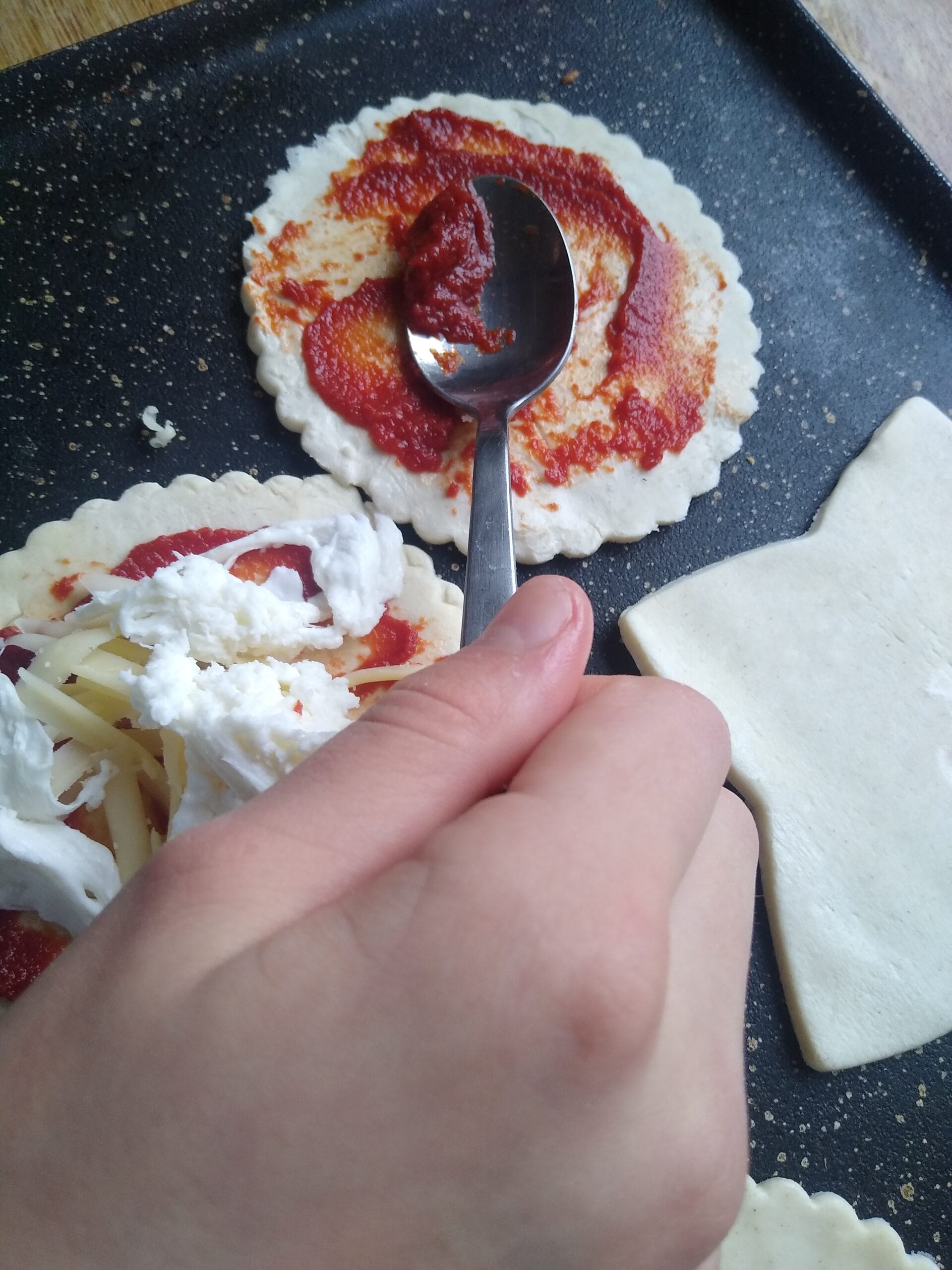
“Cooking with your children is one of the best things you can do.” You hear it everywhere. And as a mum of three, I’ve asked myself is this true more times than I can count. Especially when standing in a kitchen covered in flour, trying to convince my child that we don’t actually need five cups of sugar in our muffins.
So is it really worth it? Honestly? Yes. And I don’t mean in the Pinterest-perfect, look-at-our-lovely-bonding-time way. I mean in the messy, real, fingers-intact-at-the-end-counts-as-a-win way.
What surprised me and what I want to share in this post, is how much is actually going on while they’re mixing next to me with a wooden spoon. It’s not just about the food. It’s confidence, life skills, maths, science, and a real shot at raising children who don’t push the green bit to the side of the plate. Here are the five amazing benefits I’ve seen, in the order they tend to matter most.
Independence and proper life skills
When I first invited my children into the kitchen, I wasn’t aiming for a three-course gourmet meal. I just wanted to have a go at creating something and trying to stay calm at the same time as having fun!
I’ve found it works best to start with simple things first. Using hands to tear herbs, a wooden spoon and a bowl of flour, a fork for mashing banana. Once they’re comfortable with that, you can nudge them towards bigger things, like using a child-safe knife. It’s a big moment, and yes, it takes a deep breath and a lot of supervision. But going slowly is how you build their bravery without overwhelming them. It also helps build your confidence in what they can do safely.
Before you know it, that nervous “Can I help?” turns into “I’ve got this, Mum.” We’re not just teaching them to follow a recipe, we’re giving them the tools to look after themselves for life. And one day, hopefully, they’ll be the ones cooking us dinner. Well, here’s hoping.
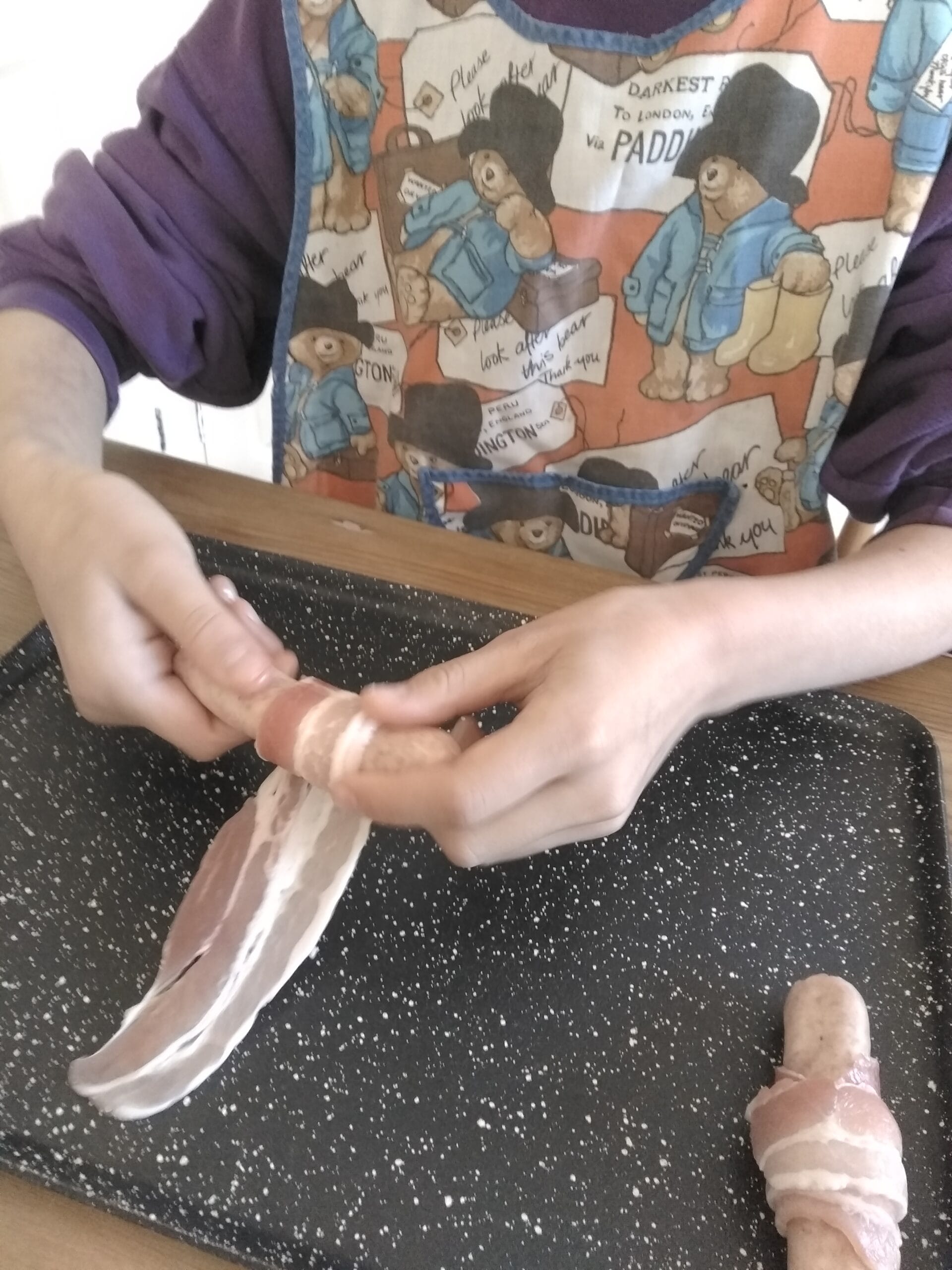
The confidence boost (and why it’s worth the mess)
There’s no feeling quite like watching your child beam with pride over something they made themselves. It might be a slightly lopsided sandwich, a batch of scones that came out a bit crunchy, or a wonky pizza face — but to them, it’s a masterpiece.
What I’ve found is that those small early wins are the secret. One child might go from mixing dough to baking a pie in a few months. Another might take much longer. Neither one is doing it wrong, they’re just at different points on the journey. That’s not a problem, that’s the whole point.
The really lovely bit is how that kitchen confidence quietly turns up in other places. Suddenly they’re more willing to have a go at homework, or trying a new sport, or speaking up at school. They’ve learned that they can solve problems, like figuring out how to rescue a recipe that’s going wrong. They’ve learned that they can take their time, manage themselves, and end up with something to be proud of.
💡 Laura’s top tip
If your child loses interest halfway through, that’s completely fine. Even five minutes of cooking together counts. Don’t force it, they will come back when they’re ready.
Raising more adventurous eaters
We’ve all been there. You spend an hour cooking a healthy meal, only to be met with “Yuck, what is that green bit?”
Getting children involved in the kitchen has been my favourite secret weapon for cutting down on the dinner table drama. Well, most of the time. The trick I keep coming back to is a no-pressure approach. If we’re exploring something new a strange-looking squash or a herb they’ve never tried, we keep it light. No “one more bite” rules. Just curiosity.
One thing that’s worked brilliantly in our house is a grazing board, a little platter of colourful crudités, dips, and bits and pieces, laid out just before dinner. It’s a low-stress way for them to nibble and explore at their own pace, and it helps with those “is dinner ready yet?” questions. There’s something about food on a platter, with no plate or expectation, that makes children braver.
I’m also really excited about root-to-stem cooking lately, using bits of vegetables we used to throw away (spring onion ends, celery bases, carrot tops). It feels like a little science experiment.
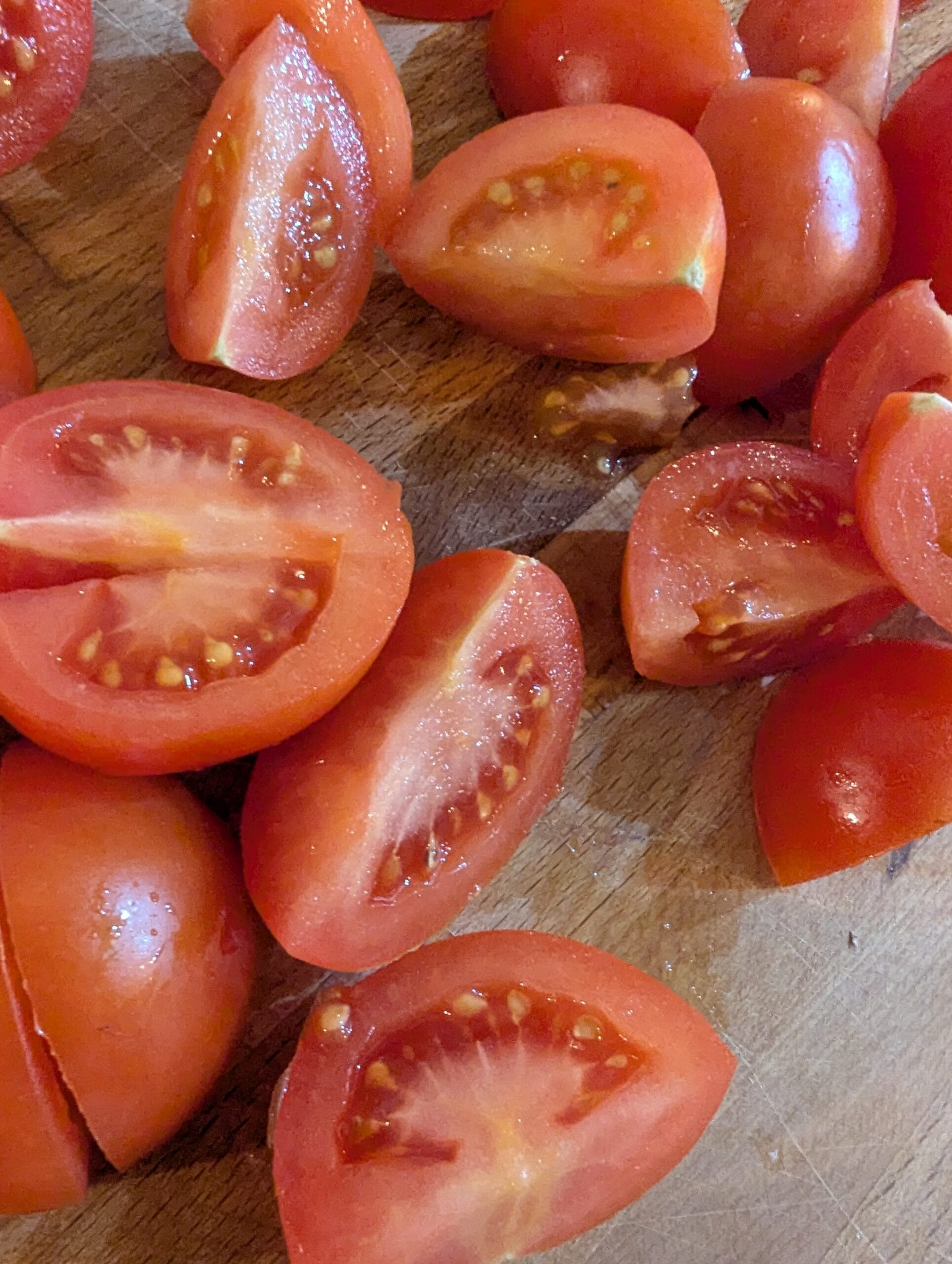
And this year, we’re having a go at growing some of our own vegetables again. We used to do it a lot but, well, life got in the way. Fingers crossed we’ll at least manage one tomato this summer. I’ll let you know how it goes.
Sneaky kitchen maths
For a lot of children, maths can make them feel anxious. Even just the idea of it can be daunting. But in the kitchen? It’s just part of the recipe. We’re counting eggs, measuring oats, slicing an apple in half and they’re doing real-world maths without even realising.
I try to meet them exactly where they are no pressure, no robot expectations. If they’re just starting out, we keep the numbers small (one, two, three) and let them sit there for a while before moving on. There’s no rush to get to the hundreds.
Then there are the “aha!” moments with fractions. You don’t need a textbook to explain a half or a quarter, you just need a cake. “How much should we each have? Would you like a quarter or a half?” Suddenly fractions are tangible, delicious, and they actually care about getting the answer right. Who doesn’t want a quarter of a cake?!
The best part for me is that cooking is a properly hands-on classroom. For children who struggle to sit still with a worksheet, or who can’t quite hold onto a lesson when it’s all words — putting the scales, spoons and measuring jugs in their hands changes everything. They see it. They touch it. They do it. And they’re learning maths without even noticing.
The kitchen as a science lab
I’ll be honest, I didn’t always think of the kitchen as a classroom. But it’s actually the best science lab our children will ever step into.
When you cook, you’re essentially doing mini experiments. Watching chemical reactions, heat transfers, and physical changes happening right in front of you. Instead of just following a recipe, lean into the curiosity. Ask the “what if” questions.
🔬 Real kitchen science you can spot together
- Yeast bubbling up. Tiny living things eating the sugar and releasing gas.
- Eggs going from liquid to solid. Proteins changing shape with heat — there’s no going back.
- Oil and water refusing to mix. Until you whisk them with a bit of mustard, and watch them suddenly become friends.
- A cake rising. Carbon dioxide bubbles getting trapped in the mixture as it bakes.
- Bread going golden brown. The Maillard reaction — proper proper chemistry happening in your oven.
These are the aha! moments that bring science to life far better than a textbook ever could. Honestly, it even amazes me, the more I learn, the more I love it. I really hope parents pick up a bit along the way too.
And here’s the lovely bit even when the experiment doesn’t quite go to plan, you can usually still eat the results. Well, most of the time.
⭐ A note on Stages, Not Ages
Every benefit on this list — independence, confidence, eating, maths, science — looks different depending on where your child is on their journey. A child doing a “messy oat bowl” is learning the same things as a child measuring grams on the scales. The activity changes; the learning doesn’t.
That’s why at Dinky Bakers I don’t sort children by age. I sort by stage — Explorer, Helper, Little Chef — so every child can grow at their own pace. Read more about Stages, Not Ages →
How to start (if you’re not sure where to begin)
If you’ve read this far and you’re thinking “okay, but where do I actually start” — here’s what I’d say:
- Pick a quiet day. Not the night before school. Not when you’re trying to get out the door. A lazy Sunday morning is gold.
- Start small. Toast toppings. Fruit kebabs. Energy balls. Banana flapjacks. Something with no oven or no sharp knives is perfect for a first go.
- Let them lead. Even if it takes twice as long. Even if the mixture ends up on the floor. The doing is the learning.
- Talk as you go. Name ingredients. Count out loud. Ask “what do you think will happen next?”
- Lower your expectations for tidiness. The mess can wait. The moment can’t.
You’ll be amazed what they can do. And honestly, what you can do too.
Ready to Cook and Learn Together?
Get the Dinky Bakers Starter Kit
Five beginner-friendly recipes with stage-by-stage job lists, conversation prompts, and parent tips — all scaffolded across Explorer, Helper and Little Chef stages. The easiest way to start cooking with your child.
Get the Starter Kit → £9