How to Teach Your Child to Crack an Egg
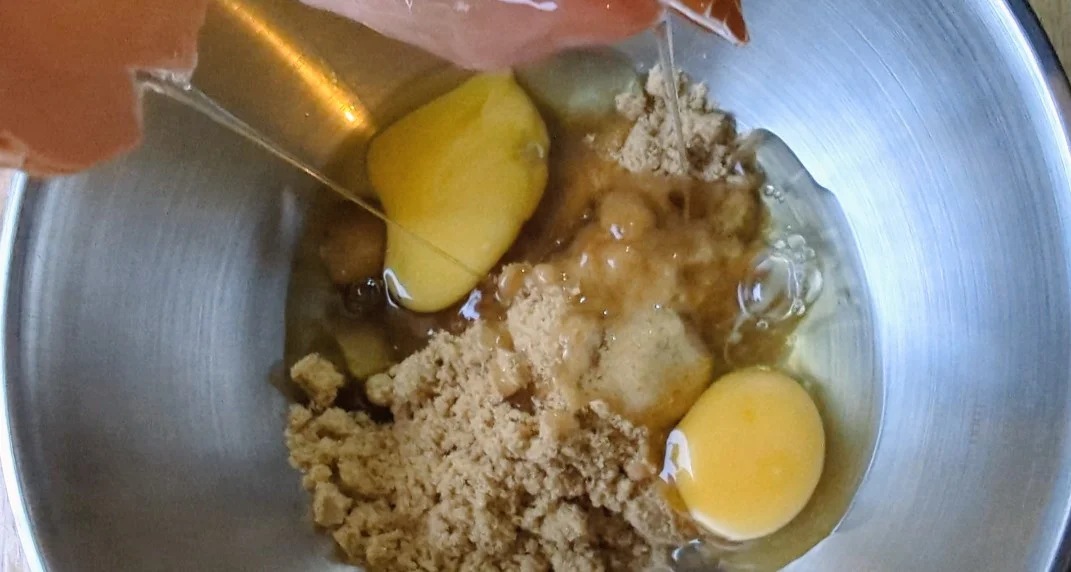
Cracking eggs is, honestly, one of those things you really want your child to learn — but also one you’re quietly dreading. Because it can turn into a bit of a mess, can’t it? Here we show the simple steps to teach your child to crack an egg.
You’ve got your lovely cake mixture in the bowl. Next minute there’s half a shell floating in it, and you’re standing there trying to scoop it all out with a spoon while your child has wandered off to play with the Play-Doh.
It can feel like a daunting task to hand over. But at Dinky Bakers, the whole point is to break big skills down into stages, not ages — so there’s a way in for every child, no matter where they’re starting from.
Cracking an egg works beautifully in three stages. And yes, it might still go wrong occasionally. But your child will improve. If you follow the steps below, I promise — your child will be cracking eggs before you know it.
Why egg cracking is actually a big deal
Cracking an egg looks like one tiny thing. But it’s actually made up of quite a few different things, all happening at once:
- Bilateral coordination — two hands working together.
- Fine pressure control — enough squeeze to crack it, not so much that the whole thing collapses into a shell-and-egg disaster.
- Patience and perseverance — because this is a tricky process to, well, crack.
- Confidence — slowly building from “I can’t do this” to “Yay, I can do it now!”
And here’s the bit I find really interesting. The skills your child is using to crack an egg are the same ones they’re using to do up the buttons on a school shirt, tie their shoelaces, and hold a pencil. They all link. They all use the same elements of grip, dexterity and two-handed control.
I’m not saying that one crack of an egg is suddenly going to tie their shoelaces for them — shoelaces are a whole minefield of their own. But the dexterity and the strength in their fingers? That will absolutely help them when they come to learn that skill.
So cracking an egg is one element — but really it’s about your child learning that when they use their hands, they can do these intricate, precise little tasks. It’s fiddly. It’s worth it.
What usually goes wrong (and why that’s OK)
Oh goodness me. Cracking an egg with children can be a slimy affair. I don’t know about you, but sometimes as a parent you’re just standing there squirming, thinking — why am I letting them do this?
I’ve been there. I’ve handed over an egg and watched a child just completely squash it in their hand — shell in the palm, egg dribbling down everywhere. I’ve said “tap it gently” and watched them slam it on the side of the counter. I’ve also had the opposite: tapping so gently it barely makes a dent because they’re worried about tapping it too hard.
So you get both ends of the spectrum. And almost always — especially at the beginning — you are going to get shell in the bowl. That just goes without saying. I’d honestly be surprised if it didn’t happen.
Sometimes it goes wrong because we, and I’ve definitely done this, just hand over the egg and say “right, crack that, get it in the bowl”. And we forget they’re looking at this little oval thing thinking, how on earth am I meant to do that exactly?
Other times, we’re just not sure ourselves how to guide them through it. What are the actual steps?
If that’s where you are no judgment. I’ve been there. We’ve all pretty much been there. This post will help.
How to teach your child to crack an egg in three stages
Here’s how to break it down. Explorer, Helper, Little Chef the three Dinky Bakers stages. Your child might fly through all three in a weekend. They might stay at Explorer for a while, and that’s absolutely fine too. No pressure, no race.
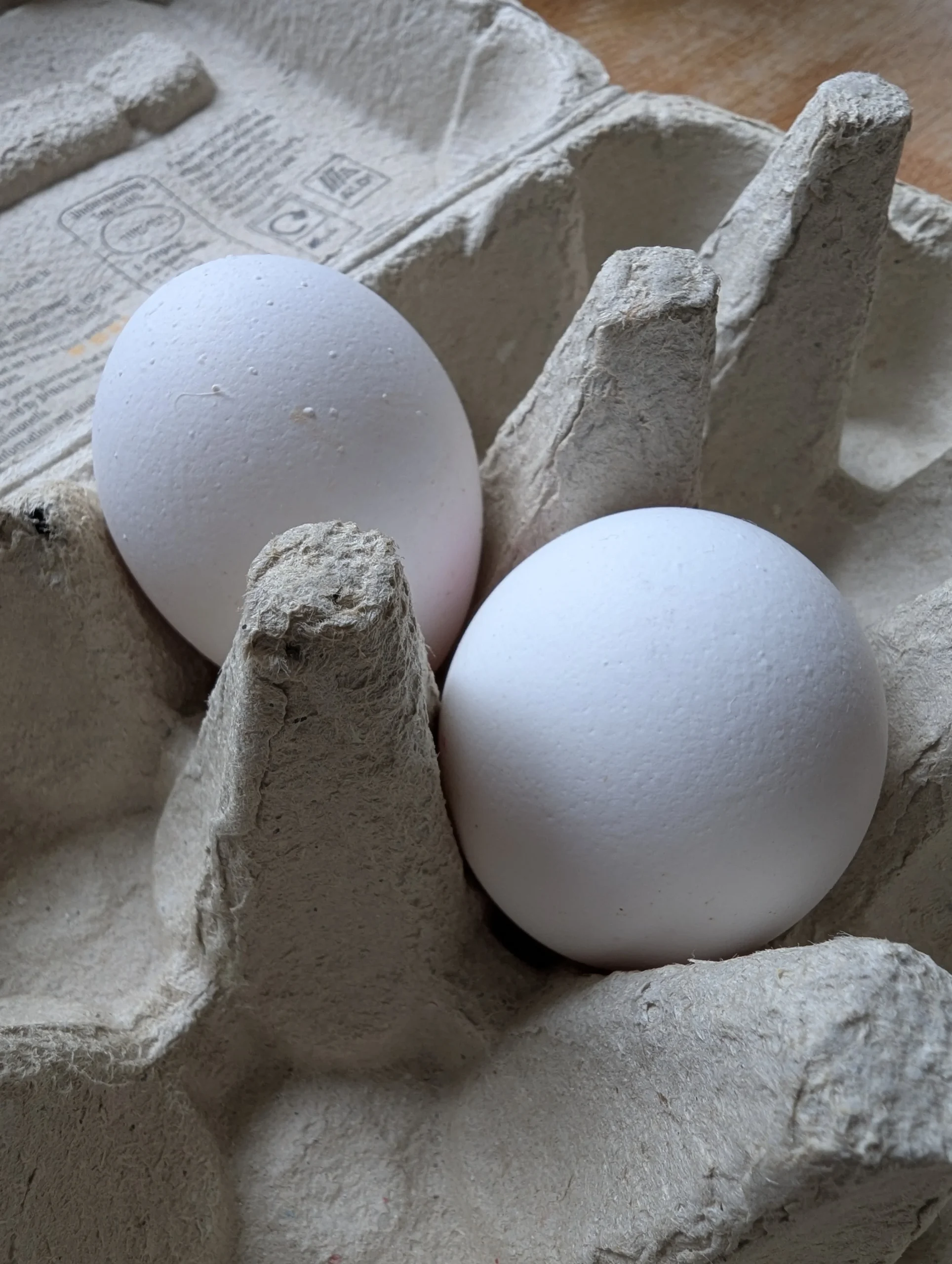
No cracking yet, just exploring the egg
The Explorer stage is where most of our Dinky Bakers start. And at this stage, no one is cracking anything. We’re just getting to know the egg.
- Ask them to fetch the egg. If they’re tall enough and capable, they can go to the fridge. If not, pop the egg box out on the table with a small bowl next to it, and ask “Can you get one egg and put it in the bowl?”
- Let them hold the egg properly. Feel the weight of it. Notice how fragile it is. Stroke the shell, really. Look at the shape of it. Look at the colour.
- Talk about where eggs come from. Is it a chicken egg? A duck egg? What about when a chicken lays one of these every single day at certain times of year, isn’t that incredible?
- Then you crack the egg while they watch. Show them carefully. Point out the white and the yolk as the egg drops into the bowl.
A lovely bonus Explorer activity: try eggs from different places — farm shop eggs, supermarket eggs, duck eggs if you can find them. We’ve done this at home and you’ll see the yolk colour varies wildly. Sometimes it’s a deep orange, sometimes a pale yellow. There’s so much to talk about before your child has even cracked an egg themselves.
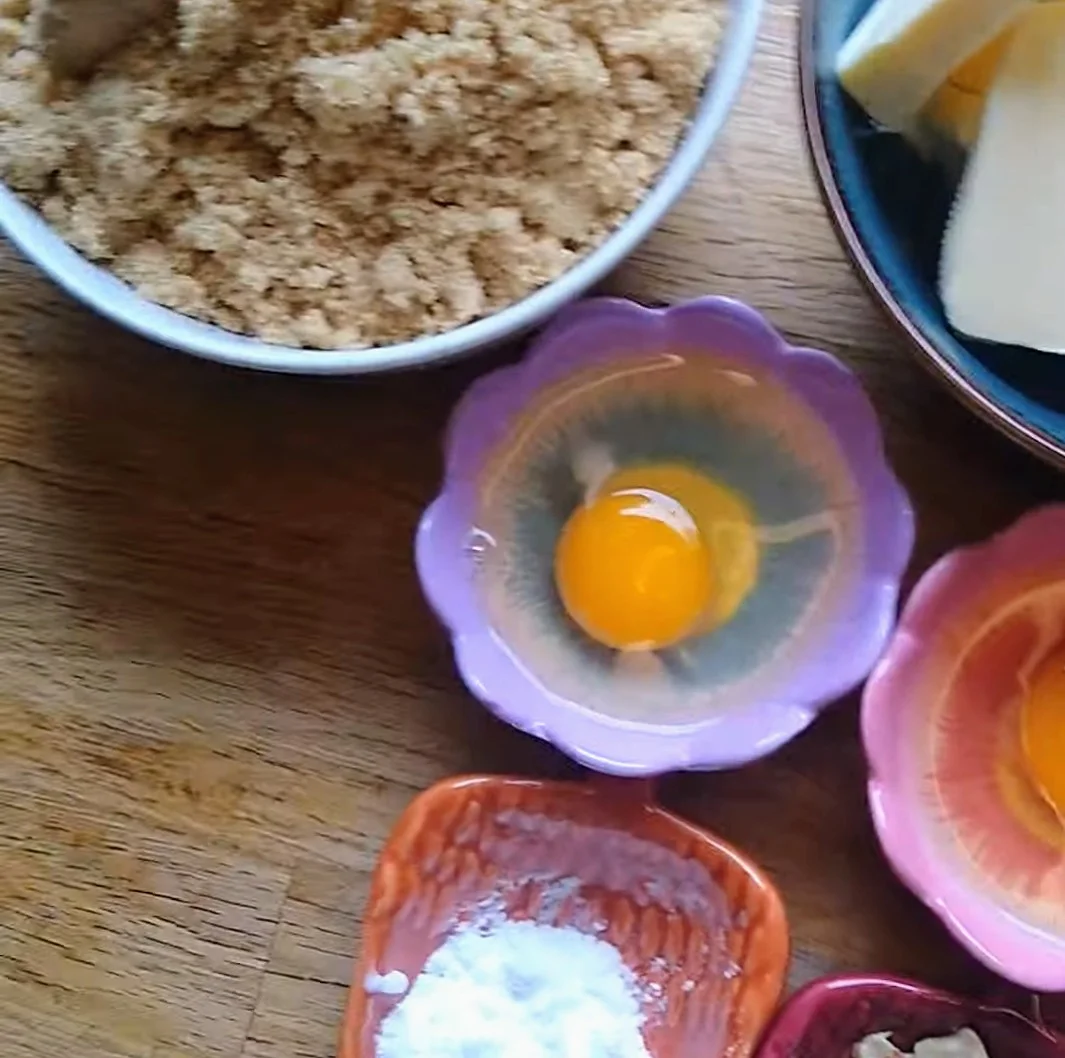
The assisted crack flat surface, two-handed method
Now we’re ready to actually crack one. This is the stage where most of the magic — and most of the shell — happens.
- Use a flat surface. Not the edge of a bowl. Tap the egg on the kitchen worktop or table instead. You’ll generally get a cleaner crack and fewer fragments this way.
- Show them the two-handed method. Hold the egg with both hands. Put both thumbs into either side of the crack. Gently push the thumbs in and pull apart.
- Crack over a separate bowl, not your main cake bowl. This is my top tip. There will almost certainly be some shell, and you want to be able to fish it out before it ends up in the finished thing. We do not want crunchy cake.
Quick tap on the flat surface, both hands on the egg, thumbs into the crack, gentle pull apart. That’s the Helper method. Once they’ve nailed that, they’re well on their way.
Flying solo — with ownership
By this stage, your child has done Explorer. They’ve done Helper. They know the method. Now it’s their turn to take it on independently and that includes handling the shell disasters on their own.
- Your child cracks the egg themselves. You might need to step in occasionally, but really we’re wanting them to do it.
- They check for any stray bits of shell, and get rid of them. Top tip: the best tool to scoop shell out is another bit of shell — it attracts the fragments.
- They move on to the next step of the recipe whisking, mixing, whatever comes next.
This is the stage where children start actively offering to crack the eggs. In our house they quite often want to. I’m not entirely sure why I guess it must be a lot of fun. But what I think is really happening is that they’re showing self-belief. That confidence of: “Yeah, Mum I can do this. You don’t need to help me.” Brilliant.
What to say when shell goes in the bowl
Right. To start with, there is going to be shell. It goes without saying. Particularly at the Helper stage, there’s probably going to be quite a bit of shell. And that’s absolutely fine. That is part of the process. Part of the learning.
Because in life, things don’t always go perfectly straight away, do they? This is resilience in the making.
💡 The hardest parenting bit: don’t take over
I know this is hard — it’s our instinct — but try really hard not to take over straight away. I’ve definitely done it before. You have to step back and just be a bit like, “Yeah, well, that happens sometimes. Never mind, let’s grab a bigger piece of shell and scoop it out.”
Inside, you might be thinking oh my goodness, look at all that shell. But outwardly, try to keep it casual. “That’s fine. Let’s just get the shell out. No problem. You can do that.”
That small redirect shows your child something huge. Yes, something didn’t go to plan. But it doesn’t really matter because they now know how to resolve it themselves. And they’ll remember that forever. You’ve just given them a life skill.
Well done you.
The confidence knock-on
So what’s the whole point of teaching our children to crack an egg, if it can sometimes be this painful?
The point is that it builds real-life confidence. It’s showing our children that, yes, something goes wrong and it doesn’t matter. We can sort that out.
As they build up those little egg-cracking skills, with all the ups and downs, that confidence transfers into other areas.
Honestly, I think sometimes as parents we’re very quick to step in. To say “don’t worry, I’ll do that”. I am absolutely guilty of it. I’ve done it. It’s just being aware that sometimes we’re not actually helping our children when we do, we’re taking the learning away.
Obviously, if it’s all going absolutely pear-shaped, I’d step in, because we don’t want it to turn into a genuinely unpleasant experience. But most of the time we can show them: yes, it didn’t work at the beginning but this is what you do to sort it out.
That’s what cracking an egg really gives them. Not just eggs in the bowl but the quiet belief that they can do hard things if they put their mind to it.